
Shift it Ltd
At Shift**It, we specialise in dealing with non-hazardous, liquid waste disposal. As such we are fully licensed to safely dispose of the waste at a licensed waste water treatment facility. Something our professional team deals with on a day to day basis.
Our Services

Septic Tank & Treatment Plant Installations
We are able to offer our customers Septic Tank and Sewage Treatment Plant Installations that suit the individuals and properties requirements.

Septic Tank and Treatment Plant Repairs
Our Septic Tank and Treatment Plant Repairs experts are able to offer our customers repairs for all kinds of Treatment Plants which makes life easier for our customers.

Pump Chamber Emptying
Pump chamber emptying is very important when it comes to the maintenance of your system. We offer pump chamber emptying for all property types.

Tanker Hire and Event Toilet Emptying
If you are thinking of having an event with portable facilities, or welfare units on site that will require emptying. We can help, get in touch for more information.
Liquid Waste Disposal
Shift It provides professional liquid waste disposal for domestic, commercial and industrial customers. We collect sewage, wastewater, sludge and other liquid waste from septic tanks, cesspits, holding tanks, interceptors and commercial drainage systems before transporting it to an appropriate authorised facility.
Liquid waste must be handled correctly to reduce pollution and environmental risks. The appropriate collection and disposal route depends on the waste type, volume, composition and any contaminants present.
What Types of Liquid Waste Do We Collect?
Our liquid waste collection services can cover:
✓ Septic tank waste
✓ Cesspit and cesspool waste
✓ Sewage and wastewater
✓ Holding tank waste
✓ Grease trap waste
✓ Interceptor waste
✓ Drainage sludge and silt
✓ Commercial wastewater
✓ Industrial liquid waste subject to classification
Liquid Waste Classification
Correct classification is important because different waste streams can require different transportation, documentation and treatment routes. This is particularly relevant where wastewater contains oils, hydrocarbons, chemicals or other potentially hazardous contaminants.
Assessment can consider the waste source, physical and chemical composition, contaminants, appropriate waste classification code and whether hazardous properties are present.
Commercial Liquid Waste Disposal
Shift It provides liquid waste disposal for commercial and industrial sites requiring one-off or scheduled collections. Services are suitable for construction sites, manufacturing facilities, warehouses, hospitality premises, workshops, property management companies and temporary welfare facilities.
How Is Liquid Waste Collected?
Collection is planned according to the waste type, volume, containment system and site access. Vacuum tankers and specialist equipment can be used to extract liquid waste and sludge before transportation to an appropriate authorised receiving facility.
A typical collection includes:
1. Identifying the waste stream
2. Confirming approximate volume
3. Assessing tanker and hose access
4. Confirming classification where required
5. Extracting and containing the waste
6. Transporting it to an appropriate facility
7. Completing relevant waste documentation
Duty of Care and Waste Documentation
Businesses producing controlled waste have responsibilities for how that waste is stored, transferred and managed. Waste should be transferred to appropriately authorised persons and accompanied by the required documentation.
Records can identify the waste description, classification, quantity, producer, carrier and destination, providing an auditable trail for the waste movement.
Hazardous Liquid Waste
Liquid waste should not automatically be classified as non-hazardous because it resembles ordinary wastewater. Oils, chemicals and industrial contaminants can affect classification and may require additional characterisation or analysis before collection and treatment.
Contact us today
Get in touch today, you can call us on 01772 864987
or email us at [email protected]
Information Required for Liquid Waste Collection
To arrange the correct collection service, provide:
• Waste type and source
• Approximate volume
• Tank or containment type
• Tanker access and hose distance
• Known contaminants
• Waste classification where available
Professional Liquid Waste Disposal from Shift It
Shift It provides one-off and scheduled liquid waste disposal for domestic, commercial and industrial sites. Contact our team with the waste type, approximate volume and site access details so the appropriate collection and disposal arrangements can be established.
What is liquid waste disposal?
Liquid waste disposal involves collecting liquid, sludge or wastewater from a storage system or site and transporting it to an appropriate facility for treatment, recovery or disposal.
What types of liquid waste can be collected?
Does liquid waste need to be classified?
Where does collected liquid waste go?
How often should a septic tank be emptied?
What is the difference between a septic tank and a cesspit?
Can commercial liquid waste require special documentation?
Can interceptor waste be hazardous?
What information should I provide before arranging collection?
Does Shift It provide commercial liquid waste disposal?
View our previous jobs
Lastest News
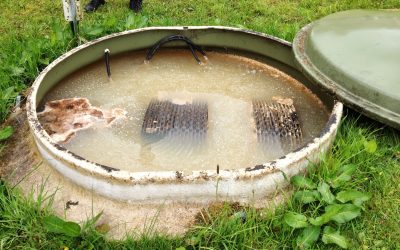
De sludging Septic Tanks
We're getting a lot of calls regarding problems with #septictanks and #treatmentplants where incorrect information has been given the householder....
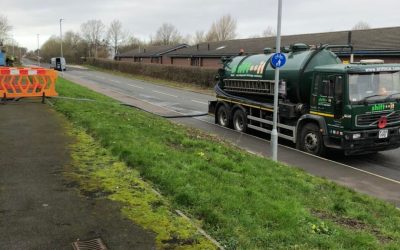
Septic Tank Emptying
Septic Tank Emptying -- It’s a bit windy out!!
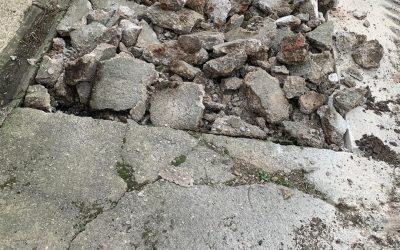
Installation of Septic Tank
Installed a new #treatmentplant in #Forton #shiftit
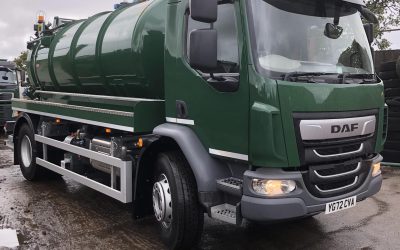
New tanker day!! 😎😎
Check out our new tanker, ready to get out and about
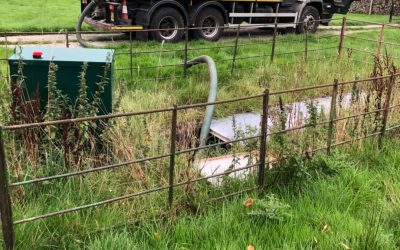
Septic Tank Emptying in Clitheroe
Busy day in the countryside #emptying #septictanks and #treatmentplants #CowArk #Clitheroe #shiftit

contact info:
Stone field
Blackleach Lane
Catforth
Preston
Lancashire
PR4 0JA
Tel: 01772 864987
Email: [email protected]
© COPYRIGHT 2025 - SHIFT IT LTD - ALL RIGHTS RESERVED. WEBSITE BY NCB DIGITAL LTD